Across China, from bustling Shanghai offices to fitness studios in Guangzhou, a quiet shift is underway in how consumers approach hydration. The traditional bottle of plain water or sugary soda is increasingly being replaced by beverages that offer more than just thirst-quenching.
Today's Chinese consumers, particularly millennials and Gen Z, are demanding products that align with their active lifestyles and desire for functional benefits. Among the emerging categories, protein water has carved out a distinct niche, offering a light, refreshing alternative to heavy protein shakes. This article explores the consumer behavior trends driving this shift and examines how products like 15G Protein RITA Protein Water With Blueberry are positioned to meet the evolving needs of the Chinese market.

Key Takeaways
- Chinese consumers are increasingly seeking functional beverages that combine convenience with nutritional value, driving demand for protein water.
- The ready-to-drink (RTD) protein segment is growing rapidly, with protein water offering a lighter, more refreshing option than traditional shakes.
- OEM/ODM partnerships with established manufacturers like RITA enable brands to quickly enter the market with high-quality, customized products.
- Aluminum can packaging aligns with sustainability trends and on-the-go consumption habits in China.
- Blueberry flavor enhances the sensory appeal, making protein water accessible to a broader audience.
The Growing Appetite for Functional Beverages in China

China's beverage market, the world's second largest, is undergoing a profound transformation. While carbonated soft drinks have long dominated shelf space, their share is steadily eroding. According to industry reports, the functional beverage segment in China is projected to grow at a compound annual growth rate (CAGR) of over 8% through 2028, driven by health-conscious consumers and urbanization. This shift is not merely about replacing sugar with artificial sweeteners; it is about embedding purpose into every sip. Consumers are scrutinizing labels, seeking ingredients that support their personal wellness goals without compromising on taste. The rise of e-commerce, especially through platforms like Tmall and JD.com, has accelerated access to premium functional beverages, including imported and locally produced protein waters.
Central to this trend is the concept of 'self-care through consumption.' Young professionals in Beijing and Shenzhen, facing long working hours and intense competition, are turning to products that offer both convenience and a perceived edge. Protein water fits perfectly into this narrative. It provides a substantial 15 grams of protein per 330ml can, yet maintains a light, liquid consistency that is easy to drink during a commute or after a workout. Unlike heavy milkshakes, it does not weigh down the consumer. The crisp, natural taste of blueberry further enhances the experience, making it a palatable choice even for those new to protein supplementation. The 15G Protein RITA Protein Water With Blueberry exemplifies this balance, offering a product that is both functional and enjoyable.
Consumer Motivations: Why Protein Water?
Consumer research indicates that taste, convenience, and perceived effectiveness are the top three drivers for purchasing functional beverages in China. Protein water addresses all three. The liquid format eliminates the need for mixing powders or cleaning shakers, appealing to time-pressed urbanites. The blueberry flavor, with its natural sweetness and antioxidant associations, avoids the artificial aftertaste common in some protein drinks. Moreover, the aluminum can packaging is lightweight, portable, and easy to recycle, aligning with the growing environmental awareness among Chinese consumers. The can's design, featuring a vibrant blue and green gradient with glossy blueberries, visually communicates freshness and energy, which is crucial for impulse purchases in convenience stores and supermarkets.
Social media platforms like Xiaohongshu (Little Red Book) and Douyin (TikTok) have become powerful drivers of beverage trends in China. Key opinion leaders (KOLs) in the fitness and wellness space frequently showcase protein water as a stylish, effective post-workout drink. The visual appeal of the blueberry can, with its modern design, makes it highly shareable. User-generated content often highlights the 'refreshing' and 'light' qualities, contrasting it with traditional protein shakes. This organic promotion has accelerated trial among consumers who might otherwise be hesitant about protein products. For brands looking to enter the Chinese market, partnering with a manufacturer like RITA, which offers a proven product design and flavor profile, can significantly reduce the time and cost of developing a successful social media strategy.
The Convenience of Ready-to-Drink Protein Hydration
Convenience is the currency of modern consumer behavior. In China's fast-paced megacities, where lunch breaks are short and commutes are long, ready-to-drink (RTD) beverages dominate. The protein water category has successfully tapped into this demand by offering a product that requires no preparation and can be consumed anywhere. The 330ml aluminum can is the perfect serving size for a post-workout replenishment or a mid-afternoon snack. Unlike protein bars, which can be dry and unsatisfying, protein water provides hydration along with protein, making it a more complete solution for active individuals.
The 15g protein content per can is a key selling point. It is high enough to be meaningful for muscle recovery but low enough to avoid digestive discomfort. The light, liquid texture means it can be consumed quickly, even during a workout. This positions protein water as a direct competitor to sports drinks, which typically offer electrolytes and carbohydrates but little protein. As consumers become more educated about the importance of protein in muscle repair, the demand for protein-fortified hydration is expected to grow. RITA's product, with its clean ingredient profile and refreshing blueberry flavor, is well-positioned to capture this market segment.
Packaging Innovation: The Aluminum Can Advantage
Aluminum cans are not new to the beverage industry, but their adoption for protein water marks a significant innovation. Cans offer superior protection against light and oxygen, preserving the freshness and flavor of the product. They are also lightweight and stackable, reducing transportation costs and shelf space. For Chinese consumers, the can is a familiar format for soft drinks and energy drinks, making protein water feel less like a niche health product and more like a mainstream beverage. This familiarity lowers the barrier to trial. Additionally, the can's surface provides ample space for branding and product information, which is crucial for capturing consumer attention in crowded retail environments.
Flavor Innovation: Blueberry as a Gateway
Flavor plays a pivotal role in the success of functional beverages. Blueberry is a universally appealing flavor that is often associated with natural sweetness and antioxidants. In the Chinese market, blueberry is perceived as a premium fruit, often used in yogurts and juices. By incorporating blueberry, RITA has created a protein water that tastes like a treat rather than a supplement. The flavor is light and refreshing, not overly sweet or artificial. This makes it an ideal entry point for consumers who are curious about protein water but wary of unusual flavors. The product's success in China will depend on its ability to appeal to a broad demographic, from fitness enthusiasts to office workers seeking a healthier beverage option.
Strategic OEM/ODM Partnerships for Market Entry
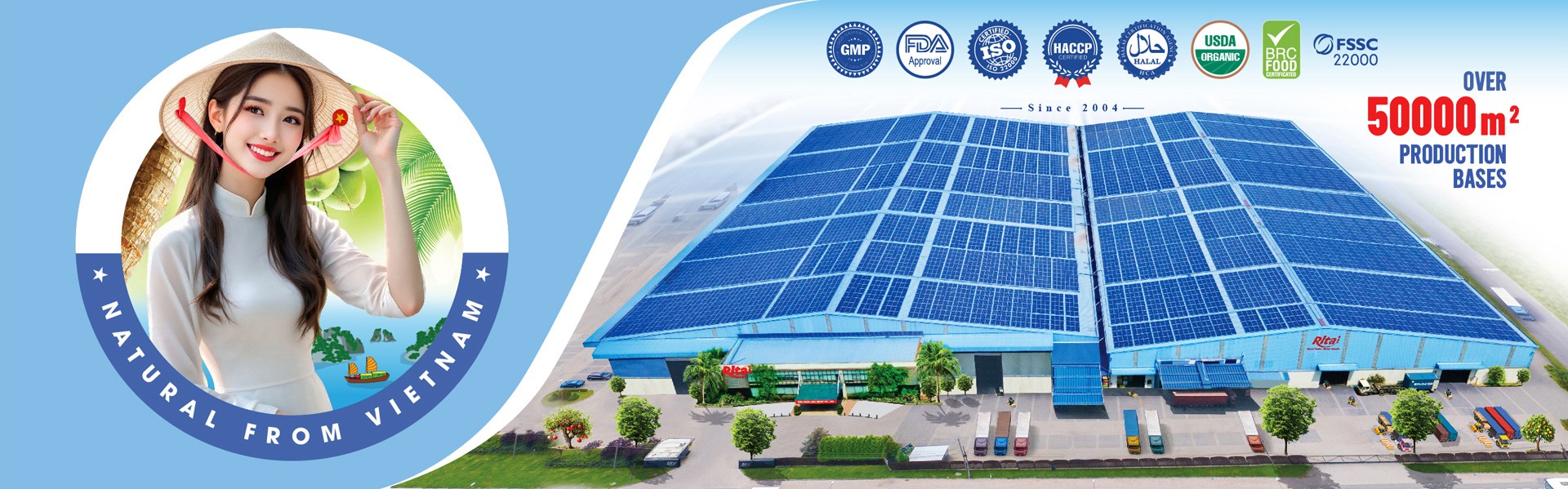
For international and domestic brands looking to capitalize on the protein water trend in China, the most efficient path to market is through strategic OEM/ODM partnerships. Producing a high-quality protein water requires specialized knowledge of protein solubility, flavor masking, and sterilization techniques. RITA Food and Drink Co., Ltd., with over two decades of experience and a portfolio of 50+ automated production lines, offers a turnkey solution. The company's OEM service and ODM service allow brands to leverage RITA's existing formulations, packaging, and supply chain, significantly reducing time to market. This is particularly valuable in the fast-moving Chinese beverage sector, where being first to market can confer a significant competitive advantage.
RITA's 15g protein water formulation demonstrates the company's expertise in creating stable, great-tasting protein beverages. The product uses a protein blend that is easily dispersible in water, resulting in a clear or lightly cloudy appearance, depending on the formula. The blueberry flavor is carefully balanced to complement the protein without overwhelming it. The aluminum can packaging is sourced from trusted suppliers, and the entire production process is certified under international standards including BRC, FSSC 22000, and Halal. This compliance is essential for brands seeking to distribute in China's tier-one cities, where retailers and consumers demand high quality and safety assurances.
Customization and Flexibility
One of the key advantages of working with RITA is the flexibility afforded to brands. The minimum order quantity (MOQ) is flexible, allowing startups and established companies alike to test the market with small batches. RITA can also customize the formulation, adjusting sweetness levels, protein content, and flavor profiles to suit local preferences. For example, a brand targeting the Hong Kong market might prefer a slightly sweeter version, while a brand aimed at fitness enthusiasts in Shanghai may want to reduce sugar further. The 15G Protein RITA Protein Water With Blueberry serves as a base product that can be adapted with minimal development effort.
Supply Chain Reliability
RITA's supply chain capabilities are a major asset for brands entering the Chinese market. With a monthly export capacity of 1,200+ containers and a network of logistics partners, the company can ensure consistent delivery to ports across China, including Shanghai, Shenzhen, and Guangzhou. The 20-25 day lead time from order confirmation is competitive within the industry. Additionally, RITA's certifications (BRC, FSSC 22000, Halal, Kosher, etc.) simplify the import process, as Chinese authorities recognize these international standards. This reduces the administrative burden on brands and speeds up time to shelf.
Consumer Behavior Insights: The Chinese Protein Water Buyer
Understanding the target consumer is critical for any brand entering the protein water category in China. The primary demographic is urban, educated, aged 25-40, with a disposable income that allows for premium beverage purchases. This group is highly active on social media, follows fitness trends, and is willing to pay a premium for products that align with their lifestyle. They are also value-conscious in the sense that they seek products with clear benefits and transparent ingredient lists. The 15G Protein RITA Protein Water With Blueberry appeals to this consumer by offering a clear, tangible benefit (15g protein) in a refreshing format that is easy to incorporate into daily routines.
Secondary demographics include university students, particularly those involved in sports or fitness activities, and older adults seeking to maintain muscle mass. The light, non-dairy nature of protein water makes it suitable for individuals with lactose intolerance, a common concern in China. The aluminum can packaging also appeals to environmentally conscious consumers, as it is infinitely recyclable. RITA's commitment to sustainability, though not the focus of this article, enhances the brand's appeal among this segment.
Occasion-Based Consumption
Consumer behavior in China is increasingly occasion-based. Protein water is consumed in three primary contexts: post-workout recovery, as a mid-day snack replacement, and as a travel companion. The convenience of the aluminium can makes it easy to toss into a gym bag or backpack. Brands that can effectively communicate these use cases through packaging and marketing will drive adoption. For instance, placing the product near gyms or in convenience stores located in business districts can increase visibility and impulse purchases. RITA's product design, with its bold 'PROTEIN WATER' label and vibrant imagery, immediately signals its intended use, aiding consumer recognition.
Price Sensitivity and Value Perception
While Chinese consumers are willing to pay a premium for functional beverages, there is a limit. The price point of protein water must be justified by the perceived value. A 330ml can of protein water typically retails for between 8-15 RMB in China, depending on the brand and distribution channel. This is higher than traditional sports drinks but lower than protein shakes and bars. The key is to communicate the value proposition: 15g of high-quality protein in a convenient, great-tasting format. RITA's OEM/ODM model enables brands to achieve competitive pricing by leveraging economies of scale, without sacrificing quality. For brands that choose to market the product under their own label, this can be a significant advantage.
Navigating the Chinese Beverage Market: Regulatory and Distribution Considerations
Entering the Chinese beverage market requires a thorough understanding of local regulations and distribution channels. All imported beverages must comply with Chinese food safety laws, including the GB standards for protein content, additives, and labeling. RITA's products are manufactured under strict international certifications, which facilitate compliance. The company's experience in exporting to China mainland, Hong Kong, and Macau ensures that documentation and labeling requirements are met. For brands, working with a manufacturer like RITA reduces the risk of regulatory delays.
Distribution in China is complex, with multiple tiers of wholesalers, retailers, and e-commerce platforms. The most efficient route for many international brands is to partner with a local distributor who has relationships with convenience store chains (e.g., FamilyMart, 7-Eleven, Lawson) and supermarkets (e.g., Carrefour, Walmart). Online channels, particularly Tmall Global and JD Worldwide, are essential for reaching tech-savvy consumers. RITA can support brands by providing a ready-to-ship product, including packaging that meets the specifications of major e-commerce platforms. The 15G Protein RITA Protein Water With Blueberry is designed to be cross-border e-commerce ready, with clear labeling and standardized packaging.
Marketing to Chinese Consumers
Successful marketing in China requires a blend of digital and offline strategies. Social seeding on Xiaohongshu, where KOLs share their genuine experiences with the product, can generate buzz. Short video content on Douyin should highlight the product's refreshing taste and convenience. Offline, sampling events at gyms, yoga studios, and corporate wellness programs can drive trial. The product's blueberry flavor and modern can design make it photogenic, an important factor for social media sharing. Brands can leverage RITA's existing product photos and marketing materials to accelerate their campaigns.
Frequently Asked Questions
What is protein water and how is it different from protein shakes?
Protein water is a ready-to-drink beverage that provides protein in a liquid, water-like consistency. Unlike thick protein shakes, it is lighter and more refreshing, making it easier to consume during or after exercise. RITA's 15G Protein Water contains 15g of protein per 330ml can with a clean blueberry flavor.
Can I customize the protein content or flavor for my brand?
Yes, RITA offers OEM/ODM services that allow you to adjust protein content, sweetness, flavor, and packaging. The blueberry flavor can be used as a base, or you can develop entirely new flavors. Minimum order quantities are flexible to accommodate small test runs.
What certifications does RITA hold for its protein water?
RITA's production facilities are certified under BRC, FSSC 22000, Halal (Jakim and HCA-GCC), Kosher, ISO, GMP, HACCP, and SMETA. These certifications ensure the product meets international quality and safety standards, which is essential for import into China.
How long does shipping take to China?
Delivery time is typically 20-25 days after order confirmation, shipped from Ho Chi Minh Port, Vietnam. RITA has a supply capacity of 600 twenty-foot containers per month, ensuring reliable supply even for large orders.
What is the price point for OEM orders?
FOB pricing is available upon request and depends on order volume, customization, and packaging. RITA offers competitive pricing due to its large-scale production capabilities. Contact the sales team for a quote tailored to your needs.
For brands interested in developing a private label protein water, the 15G Protein RITA Protein Water With Blueberry is an excellent starting point. Contact RITA's team for more information about OEM/ODM opportunities and to request a free sample.