The beverage landscape in China is undergoing a rapid transformation, with consumers increasingly prioritizing products that combine natural flavor profiles with muscle recovery and daily hydration needs. Among the most dynamic segments is the electrolyte juice drink category, which has moved from gyms and sports fields into mainstream retail.
This shift is opening notable market opportunities for beverage manufacturers, particularly those offering innovative formats such as the 490ml cucumber and lime electrolyte juice drink in aluminum can.

Key Takeaways
- China's electrolyte drink market is expanding as consumers seek convenient hydration solutions beyond traditional sports drinks.
- Flavors like cucumber and lime are gaining traction for their natural, refreshing taste profiles.
- Aluminum can packaging signals premium positioning and sustainability, aligning with urban consumer preferences.
- International brands and private label manufacturers can leverage OEM capacity to enter this fast-growing segment.
- The 490ml single-serve can format offers portability and portability, ideal for China's on-the-go lifestyle.
The Rise of Electrolyte Drinks in China's Beverage Market
The Chinese beverage market, valued in hundreds of billions, has witnessed a steady shift from sugary carbonated soft drinks to more functional alternatives. In major cities like Beijing, Shanghai, and Guangzhou, consumers are becoming ingredient-conscious and ever more curious about what their drinks can deliver beyond simple refreshment. This is where the electrolyte juice drink category finds its sweet spot, merging hydration science with fruit flavors that appeal to local palates.
According to industry reports, the sports and functional drink segment in the Asia Pacific region has been growing at a compound annual growth rate of approximately 8% over the past five years. While traditionally dominated by sodium-heavy sports beverages, the newer wave emphasizes a cleaner label, lower sugar, and more sophisticated taste. Cucumber and lime, for instance, offer a crisp, slightly sweet sensation that feels both familiar and novel, making it a compelling entry point for any brand aiming to capture the modern Chinese consumer.
What's Driving the Demand?
A major driver is the shift in lifestyle patterns. With urban professionals exercising more frequently and participating in outdoor activities, the need for rapid fluid and mineral replenishment has grown. However, many are turned off by artificially flavored and highly sweetened drinks. A cucumber lime electrolyte drink, with its subtle and clean taste, bridges the gap between functional and enjoyable. Additionally, the low-calorie aspect—around 8 calories per 100ml—fits neatly into dietary guidance that emphasizes reducing sugar intake.
How Global Brands Are Responding
Global players have taken note, launching electrolyte-infused waters and juices in attractive packaging. Yet, local and regional brands often have an edge in understanding flavor preferences and distribution networks. The cucumber and lime electrolyte drink represents a fusion of functional ingredients with a familiar taste, potentially resonating strongly with Chinese consumers who appreciate light and non-tangy hydration.
Product Innovation: The 490ml Can Advantage
Packaging plays a critical role in the beverage industry, and the choice of a 490ml aluminum can is strategic. Aluminum cans offer excellent protection for the product's integrity, including taste and carbonation if applicable. They are also infinitely recyclable, a point increasingly valued by environmentally conscious consumers in China. The large canvas allows for bold branding, as seen with RITA's Hydrate design, featuring dramatic graphics of cucumber slices and lime wedges on a sky-blue background.
The 490ml format is particularly suited for the Chinese market. It is larger than standard 330ml cans, offering more hydration per session, yet still portable enough for a commute or a yoga class. For retailers, it fits well in convenience store chiller cabinets, which are critical points of purchase in cities like Shenzhen and Hong Kong. The can also keeps the drink cool longer, enhancing the sensory experience.
From a formulation perspective, this electrolyte juice drink is crafted to deliver a balance of potassium, sodium, calcium, and magnesium—key minerals that are lost through sweat. With a mild Brix level of 2.0±0.5 and a pH of 4.2±0.5, the taste is gently tangy and refreshing, without being acidic or cloying. This makes it a versatile beverage that can be enjoyed throughout the day, not just after exercise.
Flavor Profiles for the Chinese Palate
Cucumber and lime is a relatively new combination in the Chinese functional beverage market. Cucumber is widely perceived in Chinese cuisine as a cooling, hydrating ingredient, and lime adds a zesty note that is popular in modern bubble teas and cocktails. This flavor pairing offers a clean finish that is often described as spa-like, which pairs well with the idea of detoxification and wellness—though the drink itself is simply a delightful way to replenish.
Packaging and Portability
The 490ml aluminum can is designed to withstand the demands of distribution across China's vast geography, from humid southern ports to cold northern cities. Its durable material ensures that the beverage arrives in optimal condition, with the sleek cylindrical shape allowing for efficient packing and transportation. For the consumer, the can is easy to open and hold, even during a brisk walk to the office.
Market Opportunity for OEM and ODM Brands
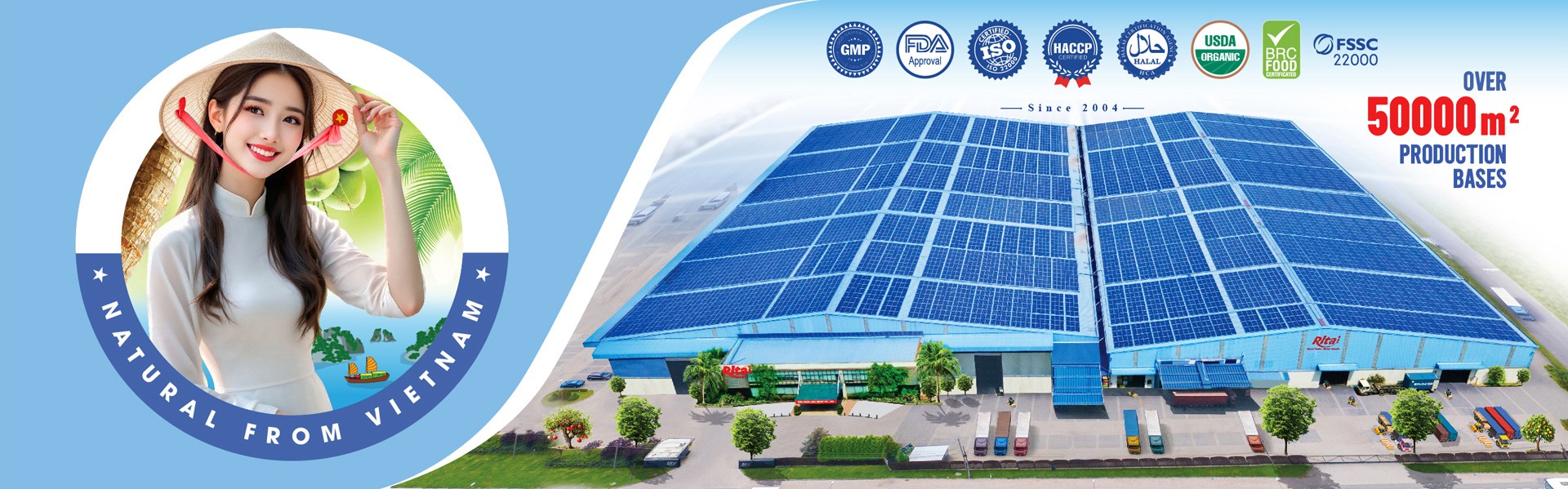
For investors and entrepreneurs looking to enter China's beverage market, partnering with an experienced manufacturer like RITA Food and Drink Co., Ltd. can dramatically reduce time-to-market. RITA, established in 2004, has extensive experience in OEM and ODM services, supplying brands across 180+ countries. Their production capabilities include advanced lines for aluminum can filling, with a supply ability of 600 twenty-foot containers per month, ensuring scalability for new entrants.
China's domestic beverage market is unique, with regional variations in taste and distribution. An OEM partner with existing export experience and international certifications can assist in developing a product specific to the Chinese market, while also providing a springboard for regional expansion. The OEM service offered by RITA includes formulation support, flexible MOQ, and rapid delivery times (20-25 days), which are crucial for agile brand launches.
Moreover, the broader fruit juice product portfolio from RITA demonstrates a deep understanding of blending and flavor extraction. This expertise can be transferred to developing new electrolyte drink variations, such as tropical fruits or berries, that could appeal to consumers in different regions of China. Leveraging existing infrastructure for canning ensures consistency and high quality, while the company's commitment to BRC, FSSC 22000, and other certifications guarantees adherence to global food standards.
The Competitive Landscape
In the Chinese market, major players include the likes of Nongfu Spring, Coca-Cola's Aquarius, and various local brands. However, the rapid innovation and increasing popularity of multifunctional drinks mean there is room for new entrants, especially those offering unique flavor combinations and premium packaging. By working with an OEM partner, brands can test the waters with small batch production and scale up based on real-time consumer feedback.
Strategic Partnerships for Market Entry
Another advantage of collaborating with an established manufacturer is the access to supply chain networks and insights into export protocols. For companies looking to expand globally, a Vietnamese manufacturer like RITA offers competitive pricing, deep experience with international buyers, and the flexibility to adapt to various regulatory standards, making it an attractive partner for both Chinese and multinational brands.
The electrolyte juice drink in aluminum can is more than just a beverage—it is an example of how modern hydration is being redefined. With a natural, light taste and practical packaging, it meets the demands of an active, urban population. For stakeholders, the growing thirst for such products in China signals a ripe market opportunity, one that is accessible through strategic manufacturing partnerships and a deep understanding of local consumer preferences.
Frequently Asked Questions
Is an electrolyte juice drink the same as a sports drink?
While both contain electrolytes, sports drinks traditionally focus on rapid absorption and often have higher sugar and sodium levels. In contrast, electrolyte juice drinks like the cucumber lime variant prioritize a lower-sugar, fruit-flavored profile that appeals to everyday consumers rather than just athletes.
The 490ml size is portable, provides a generous single serving, and the aluminum can offers excellent protection from light and oxygen, preserving the product's fresh taste. Its recyclability also meets the growing environmental expectations of Chinese millennials.
Can I develop my own private label electrolyte drink with RITA?
Yes, RITA offers comprehensive OEM/ODM solutions. Whether you need a ready-to-market product or a fully customized formulation, RITA's team can assist with ingredient sourcing, flavor development, packaging design, and production, with flexible minimum order quantities.
What certifications does RITA hold for beverage manufacturing?
RITA's facilities are certified under BRC, FSSC 22000, Halal Jakim, Halal HCA-GCC, Kosher, ISO, GMP, HACCP, and SMETA, ensuring that products meet high international quality and safety standards for global distribution