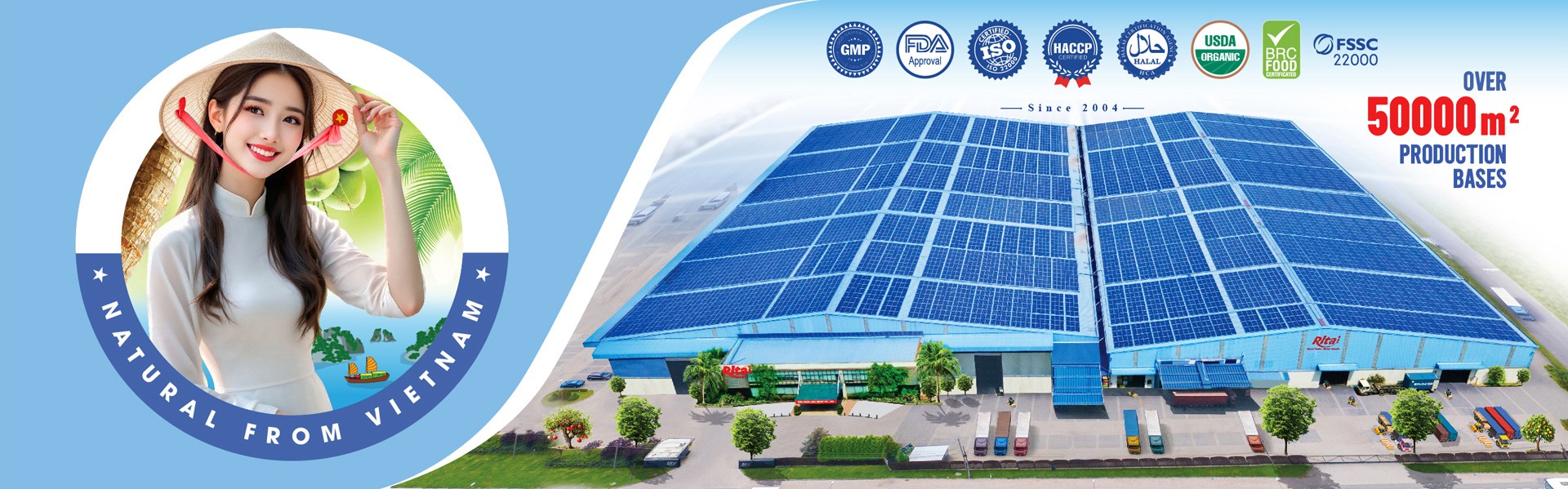
The intersection of health-conscious consumption and rapid supply chain modernization is reshaping the global functional beverage landscape. In a market like China, where fitness and wellness trends are accelerating at an unprecedented pace, brands must deliver not only high-quality products but also the logistical agility to meet dynamic demand. One standout example is the High Protein Water Blueberry Drink, a product that combines advanced formulation with robust manufacturing capabilities to serve a discerning market.

Key Takeaways
- China's functional beverage market is growing, driven by urbanization and an increasing focus on active lifestyles.
- Efficient OEM/ODM partnerships are critical for brands seeking speed-to-market and quality consistency.
- Product innovation, like low-sugar, high-protein formulas, aligns with evolving consumer preferences.
- Robust global logistics networks enable reliable supply to vast and complex markets like mainland China and its special administrative regions.
- Strategic use of packaging, such as aluminum cans, enhances product shelf life and recyclability for modern retail.
Navigating the Supply Chain for Functional Beverages in a Dynamic Market
Delivering a product like a high-protein, low-sugar blueberry drink to the Chinese market involves more than just a recipe; it requires a meticulously designed supply chain. The process begins with securing high-quality raw materials and extends through precision manufacturing, rigorous quality control, and finally, international logistics. For many international brands, partnering with an experienced OEM (Original Equipment Manufacturer) is the key to unlocking this complexity efficiently. RITA Food & Drink Co., Ltd., established in 2004, exemplifies the kind of large-scale manufacturer that can bridge the gap between product development and market delivery, with a proven record of exporting to over 180 countries.
For the Chinese market, which includes all mainland provinces and major municipalities like Beijing, Shanghai, Guangzhou, and Shenzhen, as well as Hong Kong and Macau, the supply chain must be both scalable and adaptable. The demand for convenient, on-the-go nutrition is surging in urban centers. A product like the 330ml High Protein Water Blueberry Drink, with its 13.2 grams of protein and low sugar content, fits perfectly into this consumption pattern. Its success, however, hinges on a supply chain that can consistently deliver this product from the factory floor to retail shelves across a vast geographic area.
The logistical challenge is significant. Exporting from a production hub like Vietnam’s Ho Chi Minh Port to Chinese ports requires expertise in customs, documentation, and handling specific import regulations. A reliable manufacturing partner with established export procedures and certifications like BRC, FSSC 22000, and ISO is indispensable. This is where the strategic role of an ODM (Original Design Manufacturer) comes into play, offering not just manufacturing but also formulation and packaging solutions tailored to meet the regulatory and consumer expectations of the target region.

Modern consumers, particularly in fitness-oriented segments, are highly informed. They scrutinize ingredient lists and nutritional information. The High Protein Water Blueberry Drink addresses this by offering a clear, refreshing blueberry-flavored beverage with a substantial protein punch and low sugar, packaged in a convenient 330ml aluminum can. This packaging choice is strategic for several reasons: aluminum provides an excellent barrier against light and oxygen, preserving the drink's quality over its 24-month shelf life, and it is also infinitely recyclable, aligning with growing environmental awareness.
The Role of Taste and Texture in Market Adoption
While nutritional profile is paramount, sensory attributes drive repeat purchases. This product delivers a light, crisp flavor with natural blueberry notes, avoiding the heavy, chalky texture associated with some protein supplements. The clear liquid appearance, with a specific pH and Brix level, ensures a balanced sweetness that is refreshing rather than overpowering. This makes it suitable not just for post-workout recovery but also as a hydrating, flavorful beverage for any time of day, broadening its market appeal beyond dedicated gym-goers.
Scalable Production and Quality Assurance
For a product to maintain consistency across millions of cans, scalable production with automated lines is essential. Leading manufacturers operate dozens of automated production lines, enabling high output while maintaining stringent quality control. The supply ability of 600 twenty-foot containers per month from a single facility demonstrates the capacity to support large-scale distribution plans, a crucial factor when targeting a market as immense as China. This scale allows for flexible Minimum Order Quantities (MOQs), giving brands the room to test the market before committing to massive orders.
The quality of the final product begins at the source. While blueberries are a key flavor component, the broader supply chain for beverage ingredients often taps into rich agricultural regions. For instance, the Mekong Delta in Vietnam serves as a vital raw material area for many tropical fruits used in beverages. Sourcing practices that ensure freshness and quality from farms are foundational. A transparent supply chain that highlights its origin can build consumer trust. For example, learning about how raw materials are cultivated and harvested provides valuable context. More details about these sourcing practices can be found in articles like The Mekong Delta is the high-quality raw ingredients area of RITA.
The journey from ingredient sourcing to the final blended product involves careful coordination. Whether it is fruit concentrates for flavor or protein isolates for nutritional content, each component must meet strict purity standards before being integrated into the formulation under Good Manufacturing Practices (GMP). This integrated approach from sourcing to production ensures the integrity of the product that eventually reaches the consumer. For brands looking to enter the market, partnering with a manufacturer that controls or has deep partnerships across this supply chain reduces risk and ensures quality.
Logistics and Export: Bridging Markets Efficiently
The final and often most complex stage is international logistics. Exporting a beverage to China involves navigating specific import protocols. A product like the 330ml can of protein water, typically shipped in large quantities from ports like Ho Chi Minh, requires efficient container loading and freight management. Key logistical considerations include:
- Transport Mode: Primarily sea freight for cost efficiency, though air freight may be used for urgent or high-value shipments.
- Documentation: Accurate bills of lading, certificates of origin, and health/sanitary certificates are non-negotiable.
- Packaging for Transit: Cans must be packed securely to prevent damage during the journey.
- Lead Times: A typical delivery window of 20-25 days after order confirmation must be factored into inventory planning.
Successful navigation of these steps relies on experienced export teams and established relationships with freight forwarders and customs brokers. RITA's status as a global exporter to over 200 countries and territories underscores the operational maturity required to manage these flows smoothly. For brands targeting China, this expertise is not a luxury but a fundamental requirement to avoid delays and ensure product availability.
Annual Trade Trend (2025 vs 2026)
| Year | Transaction Count | Total Trade Value (USD) | Total Weight (kg) | Total Quantity (Units) | YoY Growth (Transactions) | YoY Growth (Value) |
| 2025 | 17 | 105,540 | 165,200 | 85,928 | N/A | N/A |
| 2026 | 41 | 183,064 | 324,700 | 143,159 | 141% | 73% |
Data source: Tradesparq Trade Data (tradesparq.com)
Top Origin & Destination Countries (by Transaction Count)
| Origin Country | Transaction Count | Trade Value (USD) | Weight (kg) | Market Share |
| China | 28 | 275,731 | 242,249 | 48% |
| Singapore | 7 | 2,517 | 0 | 12% |
| United States | 6 | 0 | 67,253 | 10% |
| South Korea | 5 | 0 | 78,712 | 9% |
| United Kingdom | 3 | 2,016 | 47,508 | 5% |
| Destination Country | Transaction Count | Trade Value (USD) | Weight (kg) | Market Share |
| Vietnam | 31 | 247,299 | 192,525 | 53% |
| United States | 12 | 0 | 230,098 | 21% |
| Indonesia | 7 | 2,517 | 0 | 12% |
| Bahamas | 3 | 0 | 8,426 | 5% |
Data source: Tradesparq Trade Data (tradesparq.com)
China is the dominant origin market, accounting for 48% of transactions by count and contributing over 95% of the total trade value ($275,731). Vietnam is the largest destination market, receiving 53% of all transactions ($247,299). The United States appears as a top destination by transaction count (21% share) but shows a trade value of zero, indicating imports of high-weight, low-value products.
The Strategic Importance of OEM Partnerships in Asia-Pacific Expansion
For many brands, building their own production facility in Vietnam to serve the Chinese market is not feasible. This is where the OEM/ODM model provides a critical competitive advantage. By partnering with an established manufacturer, a brand can leverage existing infrastructure, expertise, and certifications without the capital expenditure of building a factory. This model is particularly effective for launching niche products like specialized protein waters, allowing brands to focus on marketing and distribution while the manufacturing partner handles production complexity.
An ideal OEM partner offers flexibility, from private labeling and custom formulation to adapting packaging designs for different sub-markets. The availability of free samples is a common practice that allows brands to verify product quality firsthand before committing to a production run. This collaborative approach reduces time-to-market, which is crucial in the fast-moving functional beverage sector where consumer trends can shift quickly. A partnership with a capable ODM can transform a product concept into a market-ready beverage, complete with the necessary documentation and quality assurances to pass stringent import inspections.
As competition in the protein water segment intensifies, the winners will be those who combine innovative products with flawless execution. This means not only a great-tasting, low-sugar blueberry protein drink but also a supply chain that delivers it reliably and efficiently to every corner of a vast and diverse market. The story of this beverage is ultimately a story of supply chain excellence, proving that in today's global economy, what you can deliver is just as important as what you create.
Frequently Asked Questions
What are the key logistical factors for exporting this protein drink to China?
Key factors include choosing reliable sea freight from ports like Ho Chi Minh, ensuring all export documentation (bills of lading, certificates of origin) is accurate, and working with experienced customs brokers familiar with Chinese import regulations for beverages.
How does the aluminum can packaging benefit this product for long-distance shipping?
Aluminum cans are lightweight, durable, and provide an excellent barrier against light and oxygen. This protects the drink's flavor and nutritional integrity during the 20-25 day transit period, ensuring it arrives in optimal condition. They are also highly recyclable.
Can brands customize the protein content and flavor of this drink through OEM services?
Yes. As an ODM/OEM manufacturer, RITA offers formulation flexibility. Brands can collaborate on adjusting protein levels (like the 13.2g in this blueberry variant), flavor profiles, and sugar content to match specific market preferences and labeling requirements.
What is the typical minimum order quantity for starting production?
The manufacturer offers flexible MOQs to accommodate both large-scale orders and smaller market test runs. This flexibility is crucial for new brands entering competitive markets without overcommitting to excessive initial inventory.
Which quality certifications does the manufacturing facility hold?
The facility holds a comprehensive set of international certifications, including BRC, FSSC 22000, Halal, Kosher, ISO, GMP, and HACCP, ensuring products meet strict global safety and quality standards.
For brands exploring opportunities in the functional beverage space, understanding the full supply chain—from OEM service selection to final delivery—is the foundation of success. Learn more about comprehensive manufacturing solutions for global beverage brands.